Team
Coaching

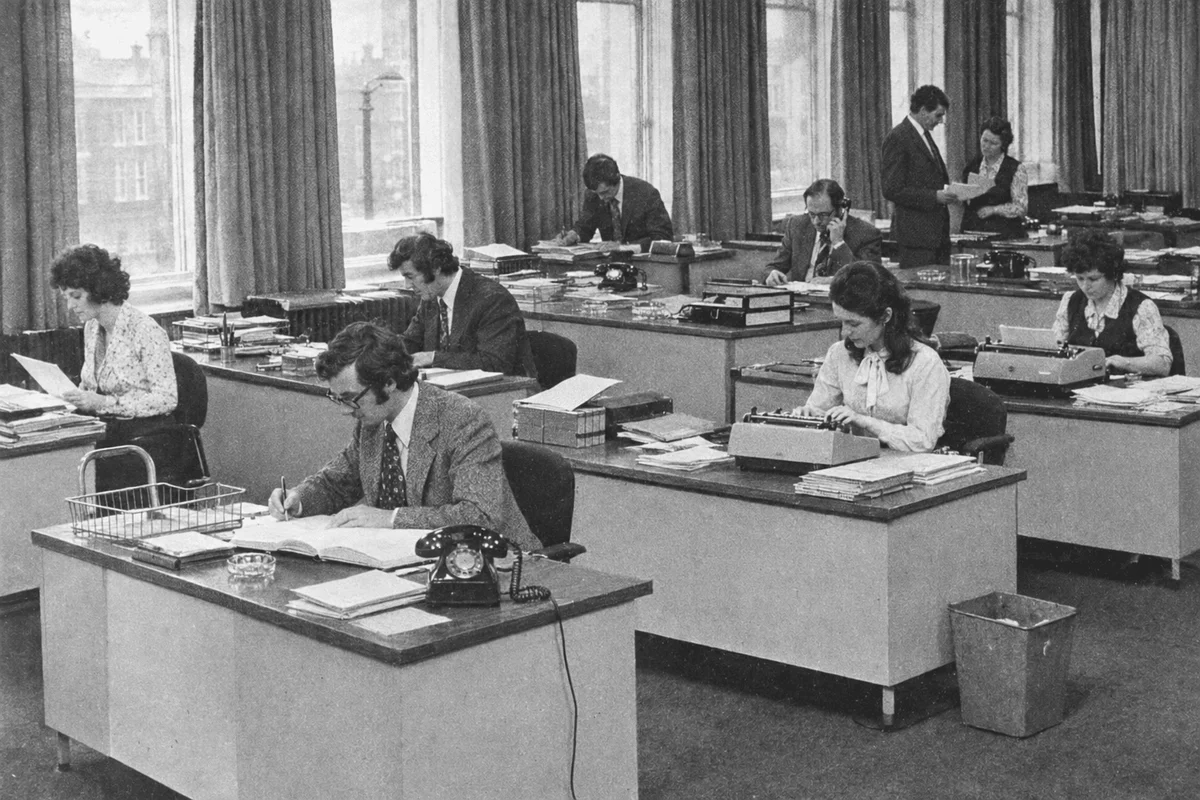
People working together in a traditional office, reading, writing and typing at desks.

Good leadership
makes room for
different perspectives.

Every organisation has people with valuable experience, ideas and perspectives. But in the demands of day-to-day work, there isn't always the time or opportunity for those voices to be heard.

I work with teams across business, education and other organisations, taking a wider look at how people work together, communicate and contribute to the direction of their organisation.

Team coaching creates that opportunity.

My job is to hold the space and allow the team to PAUSE.

Taking aWIDERVIEW

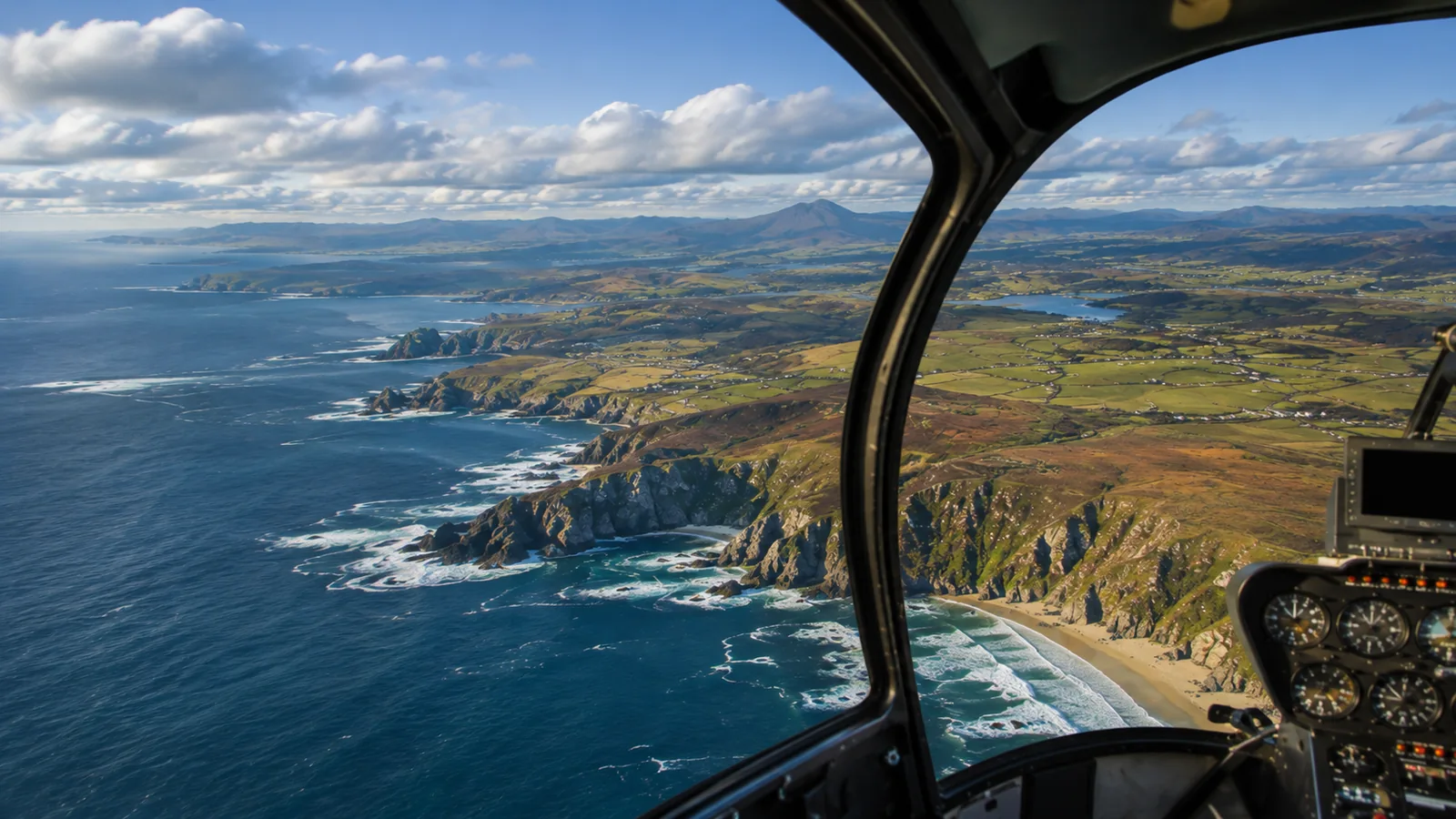
A view of the Donegal coastline through a helicopter window.

One of the approaches I use in team coaching is what I call the helicopter view. It's an opportunity to step away from the day-to-day and look at the organisation as a whole.

Sometimes I'll ask people to draw how they see their organisation. It's interesting how differently people can picture the same place. One person might see a pyramid, another a tunnel or a sand timer, and somebody else something entirely different.

Those drawings can open up conversations that might not otherwise happen, helping people recognise assumptions and consider perspectives they hadn't thought about before.

What are we not seeing and hearing?

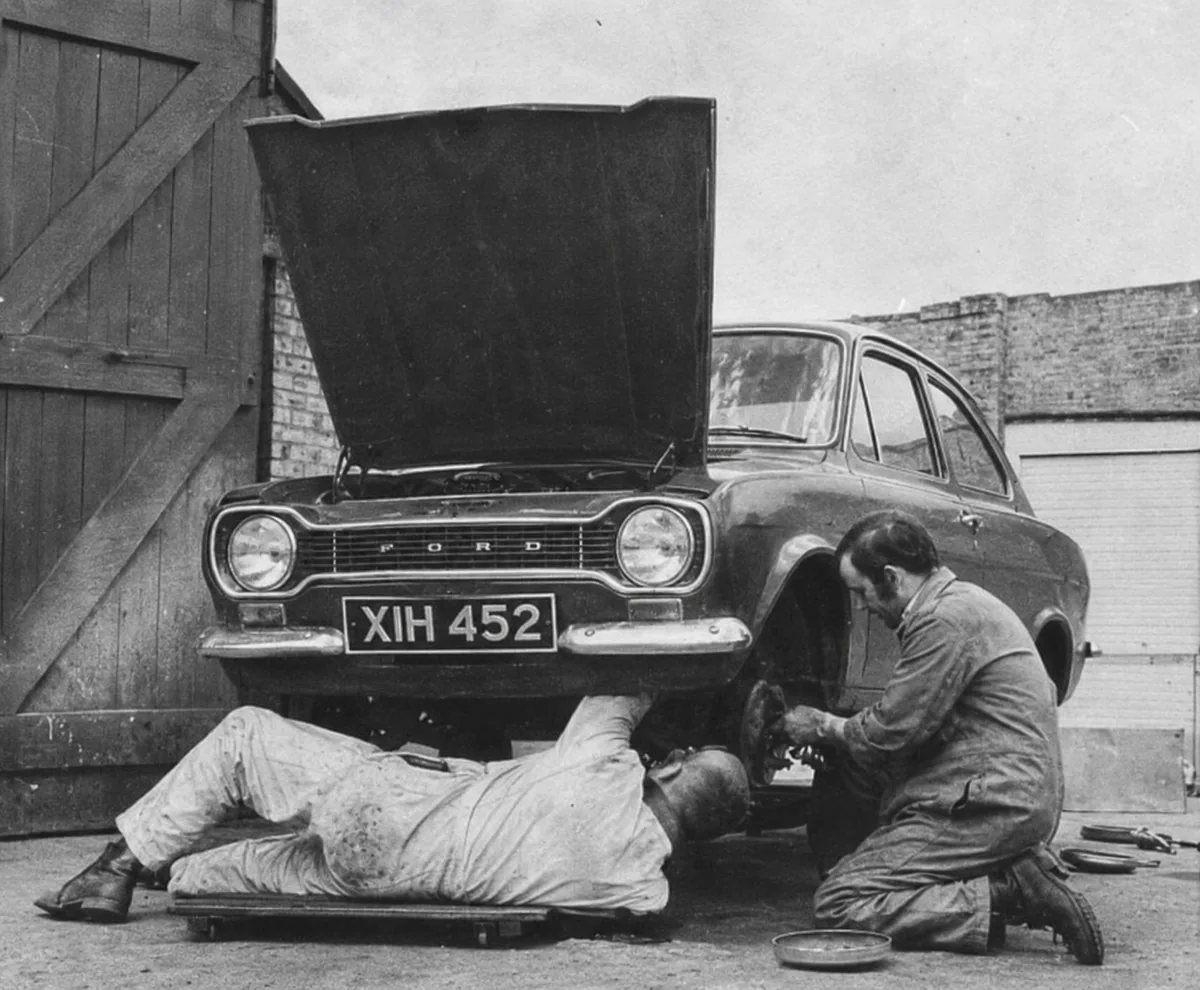
Two men working beneath the open bonnet of a car.

Often, the conversations reveal things that aren't immediately obvious to those leading the organisation. Unclear expectations, assumptions about people's experiences, gaps in communication or ideas that haven't had an opportunity to surface.

We also look beyond the immediate team, considering the wider people and communities who have a connection to the organisation and are affected by its decisions.

We begin by exploring what’s actually happening.

  • How well do people understand the organisation's direction?
  • Do they feel comfortable raising concerns or questioning decisions?
  • What are people’s take on psychological safety?
  • Are there opportunities to contribute ideas, regardless of their position or title?
  • When small ideas are raised or mooted or hatched do they stay just as an idea?
  • Who’s in charge of closing the loop?

The people closest to a challenge often have valuable insights into how it might be addressed.

I like to include the quietest voice.I listen harder to the person of few words.I know what it’s like to be invisible.It ain’t a good place to be.It doesn’t have to be.

Everyone’s voice matters.

Every voice counts.

That’s a must for me.

My role is to create an environment where people can speak openly and the team can begin developing its own responses to the challenges it identifies.

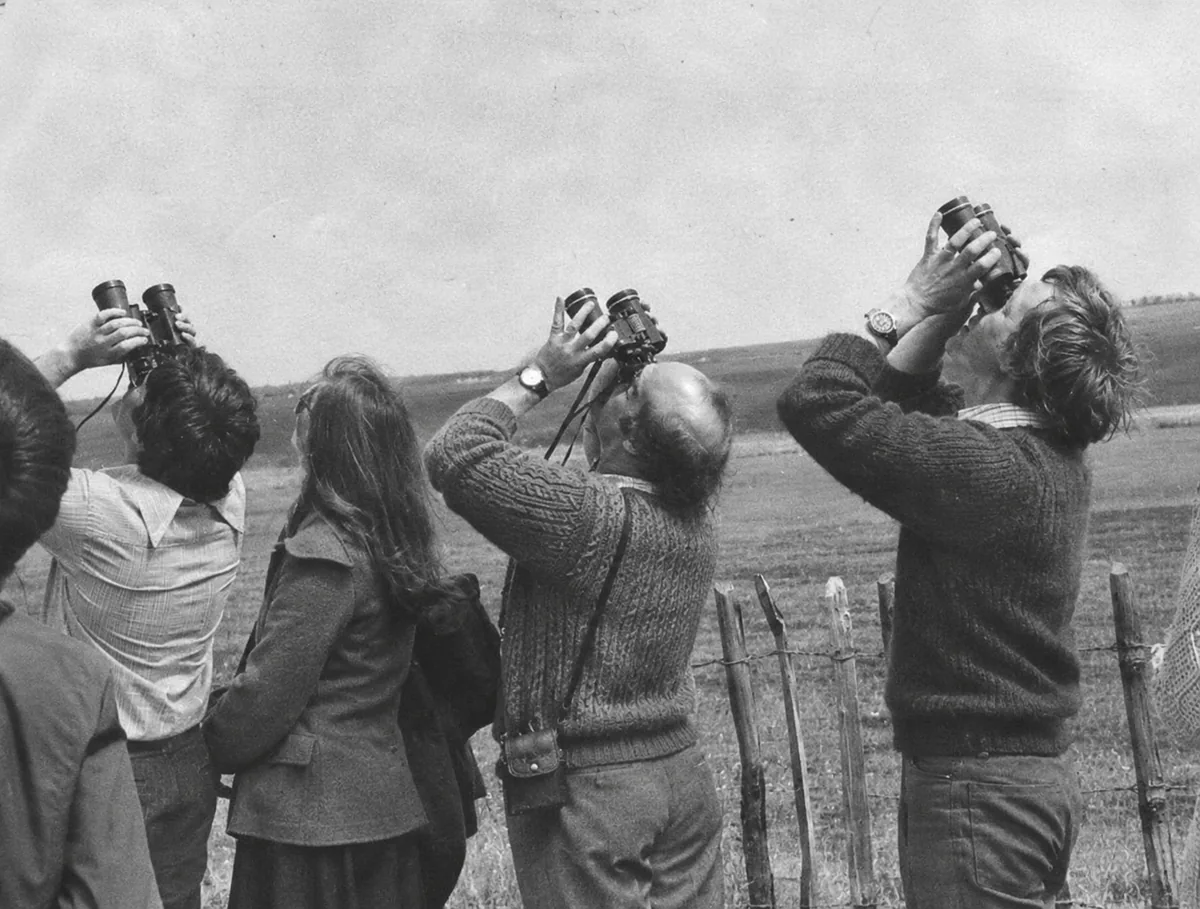
A group looking upwards through binoculars.

Rediscovering the power of
purpose, connection
and collective effort.

It’s easy for the day-to-day demands to take up the whole conversation. Taking a step back gives us room to remember what we’re working towards, recognise what we each bring and consider what we can do together.

And what happens next?

From these conversations, we work towards practical proposals and agreed actions, considering what needs to change, who will take responsibility and how the team will review its progress.

I've seen how a workshop can generate enthusiasm and good ideas, only for everyone to return to their usual routines with little to no change.

That's why follow-through matters. The issues raised and suggestions made need to be properly considered, discussed and acted upon where appropriate. Not every proposal will be taken forward, but people need to know their contribution has been taken seriously and understand what happens next.

Because listening matters,
but so does what happens afterwards.

Working with your team

I generally work with groups of around 12 to 15 people. This gives everyone an opportunity to contribute and allows us to explore different perspectives in a meaningful way.

The conversations and activities are shaped around your organisation, the people involved and what you're hoping to explore together.

This can be facilitated in-house or off-site in a coastal location.

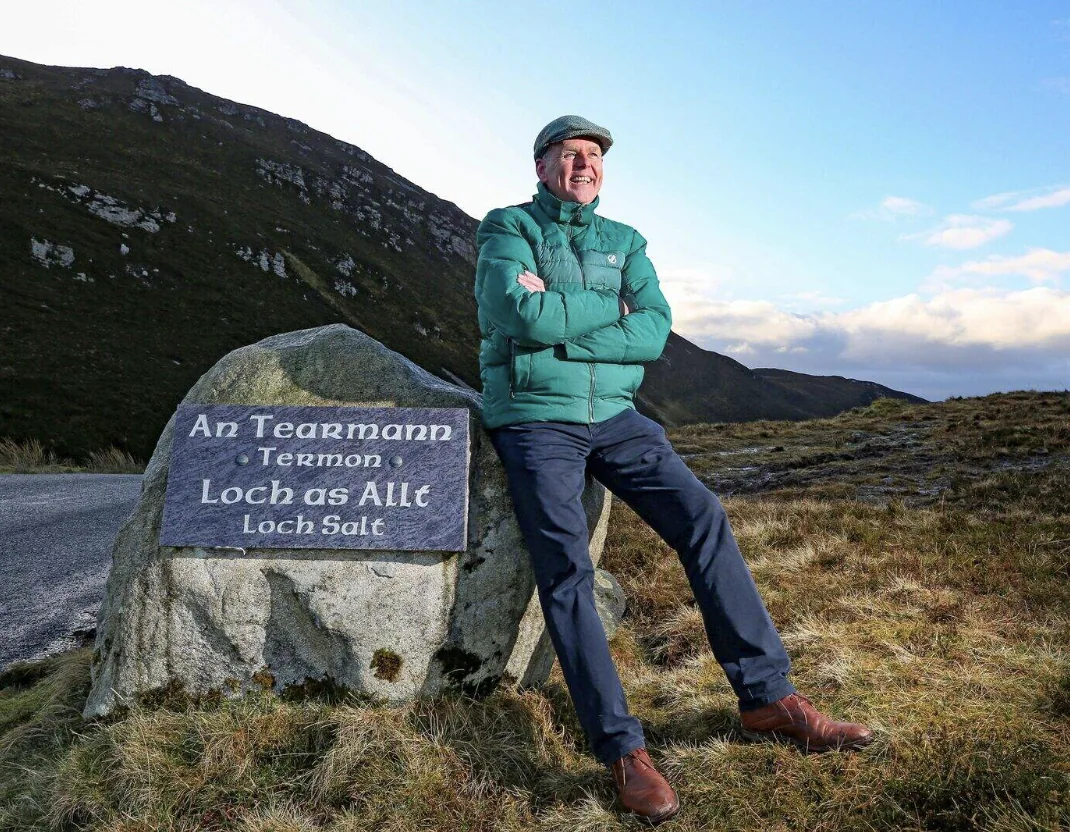
Joe McHugh beside the Loch Salt stone sign in Donegal.
Photo: Lorcan Doherty

Taking team outdoors

Sometimes a change of scene helps us see things differently. A team retreat can bring together a coaching workshop and time outdoors. That might include a cycle with Downings eBikes, cold water swimming or a group hike.

There’s value in informal time together too. A conversation on a bike ride might open up something that didn’t come up in the room.

We can talk about what would suit your team.

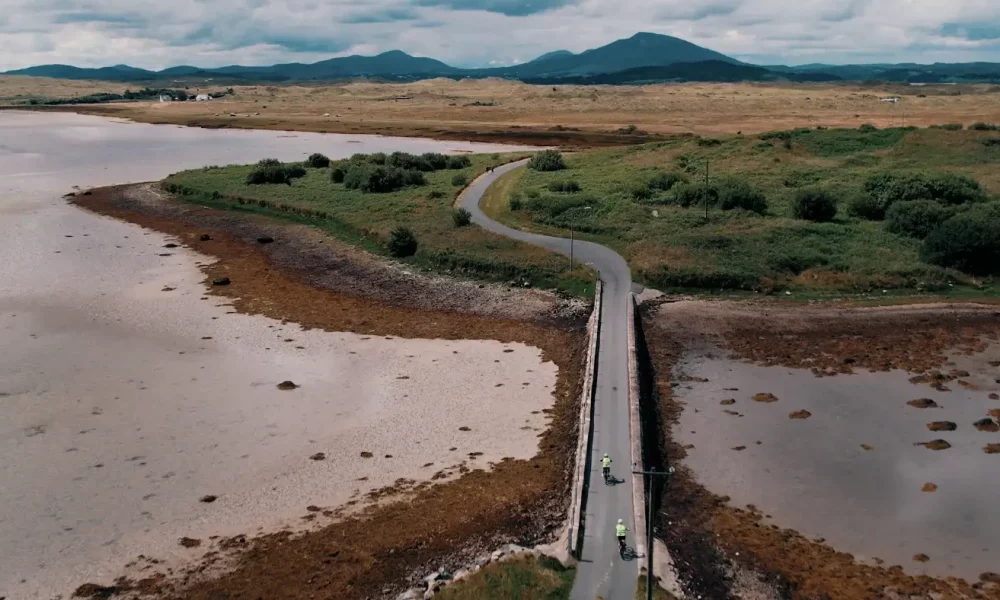
Cyclists crossing a bridge beside a coastal inlet, with mountains in the distance.

In their own words.

Liam LanganDirectorBuildcost

Joe ran a team workshop with us at Buildcost focused on developing our people, and it was time well spent.

With our team spread across the country and working a hybrid model, it gave everyone space to speak openly about what helps them do their best work and feel part of something.

Joe has a natural way of putting people at ease, and the conversations that came out of the day were honest and constructive. It reminded us that investing in the team is not a nice to have but central to how we grow. We came away with practical actions that we are already putting in place.

Conall McGettiganActing DirectorNorthern and Western Regional Assembly

From a management and organisation perspective I felt the coaching provided was excellent,

The majority of day one was focused on Goals and Purpose across the organisation, together with some SWOT analysis, and some initial priorities were drawn out, including how to better communicate what the NWRA does on a daily basis to stakeholders, and the general public.

Joe provided a comprehensive written report upon completion of the two days, which captured very well staff suggestions, as well as proposed next steps.

Mairead and Joe BoyleOwnerseBikes Downings

Working with Joe McHugh on our Gaeilge on Wheels events has been an absolute pleasure.

Joe really made these events special. He is a natural leader, presenter and educator, and his years of teaching experience shine through in everything he does.

He has a wonderful ability to engage with people of all ages and abilities, making everyone feel relaxed, included and comfortable. His approach is fun, lively and entertaining, yet incredibly informative.

The feedback from participants was fantastic, and so much of that was down to Joe's enthusiasm, personality and ability to connect with people.

Making coaching accessible

I include a small amount of pro bono work within my professional coaching practice because I believe in making coaching accessible and in supporting organisations and teams where I believe the work can make a meaningful contribution.

A few questions you might have.

Does something need to be wrong for team coaching to be useful?

No. It can be a chance to step back, recognise what’s working and consider what you want to build on together. You don’t need to arrive with everything neatly worked out.

Is team coaching confidential?

Contracting is the cornerstone of Team Coaching. Agreement is sought as to how information is shared afterwards. It is important that the organisation has access to the suggestions and observations coming from the team, however, a strong emphasis is placed on anonymity if that’s what the team desires. The team needs to know in advance, why they are there, the purpose of being there, what they are contributing to and assurance that whatever is raised will be carefully considered and responded to.

What if some people are reluctant to speak?

I like to include the quietest voice. I listen harder to the person of few words.

Part of the work is understanding how comfortable people feel speaking openly, questioning decisions or offering a different view. We begin there.

Who takes part? Does that include the team leader?

We can talk this through beforehand. Who takes part, and how, needs to support an honest conversation.

There may be times when it helps for those leading the team to participate and contribute equally. Other times it may be necessary for management to absent themselves. Again, this decision will require an in-depth discussion with management before the team leadership workshop happens. I will not attend a workshop until management has this important discussion with their team. There’s no right and wrong approach here. It will require management to have an open and frank conversation with their team in advance. This openness will add to the richness and flow of the workshop.

How much time do we need to set aside?

The arrangements will depend on your team and what you’re hoping to explore. We can discuss the time needed and how we’ll return to the commitments made. Follow-through matters. From experience to date, the energy of a workshop is magnified in the morning. I would encourage the formal part of workshops to end at lunch time with a more informal element in the afternoon. The informal element would be negotiated with the participants in advance and this can range from a walk and talk, to a cycle on e-bikes or any other activity that would appeal to the group.

How much does team coaching cost?

Get in touch and tell me a little about your team and what you have in mind. We can discuss the work involved and the fees before you decide whether to go ahead.

A conversation
starts here.

Book a conversation

Choose a date and time that suits you for a short, complimentary video call. You'll receive an email confirmation with a link to join.

Book a conversation

Prefer to send a message?

If you have a question or would like to tell me a little about what you're looking for, you can get in touch using the form below.

Send a message
I’m interested in…

Unsubscribe at any time. Privacy Policy

A little food for thought.

Built with Kit